
What does a $150 monthly car payment mean today?
A $150 monthly car payment is a budget target that depends on four main levers: purchase price, APR, loan term, and down payment. To set realistic expectations you should translate your monthly goal into a maximum financed amount, then check local inventory and rates to confirm what that payment can buy for your credit profile; the Consumer Financial Protection Bureau offers consumer tools that explain these mechanics and where to start CFPB consumer tools.
Which cars fit a $150 monthly payment depends on your APR, loan term, down payment, and local inventory; use prequalification and a payment calculator to convert $150 into a realistic target price, then prioritize listings with clean title and documented service history.
Start by thinking of the monthly number as a constraint, not a promise; small changes in APR or term change the price you can afford. If average used-car loan amounts and monthly payments have risen recently, the pool of newer low-payment options shrinks and buyers often need to target older or lower priced vehicles.
Why monthly payment size matters
Monthly payments determine ongoing affordability and affect your budget for fuel, insurance, and maintenance. A lower payment can free cash flow, but it may also mean a longer loan term or an older vehicle. Use the monthly figure to screen listings quickly rather than as the only decision factor.
Key factors that set the payment level
Four variables move the payment most: purchase price, APR, loan term, and down payment. Reducing price or APR or lengthening term lowers the monthly obligation, while adding a down payment lowers the financed amount directly. For practical tips on comparing APRs and lenders, regulators recommend getting prequalified so you know realistic APR and term ranges before you shop CFPB consumer tools.
How market trends affect what you can afford
Industry reports through 2024 and 2025 indicate average used-car loan sizes and payments increased compared with earlier years, which means buyers often must target older or lower priced listings or increase down payments to reach a roughly $150 payment in many markets Experian state of automotive finance.

How monthly payments are calculated - a simple framework you can use
Think of the monthly payment as the result of a simple relationship: financed amount, APR, and term together set the payment. The financed amount equals purchase price minus down payment plus any financed fees. Use that relationship to test scenarios before you talk to sellers; this reduces surprises on the dealership lot.
The simple payment equation and what moves it
Qualitatively, higher APR or higher financed amount raises the monthly payment; longer terms lower the payment but increase total interest. Supervisory reports note that longer terms can reduce monthly burden at the cost of higher total interest and elevated default risk for some borrowers CFPB supervisory highlights.
Example scenarios to test for your credit tier
Create three quick scenarios: conservative, moderate, and stretch. For each, estimate an APR band using prequalification or published ranges for your credit tier, then run the same price and down payment through a calculator to see which model years and price bands fit.
How to use a payment calculator with likely APRs
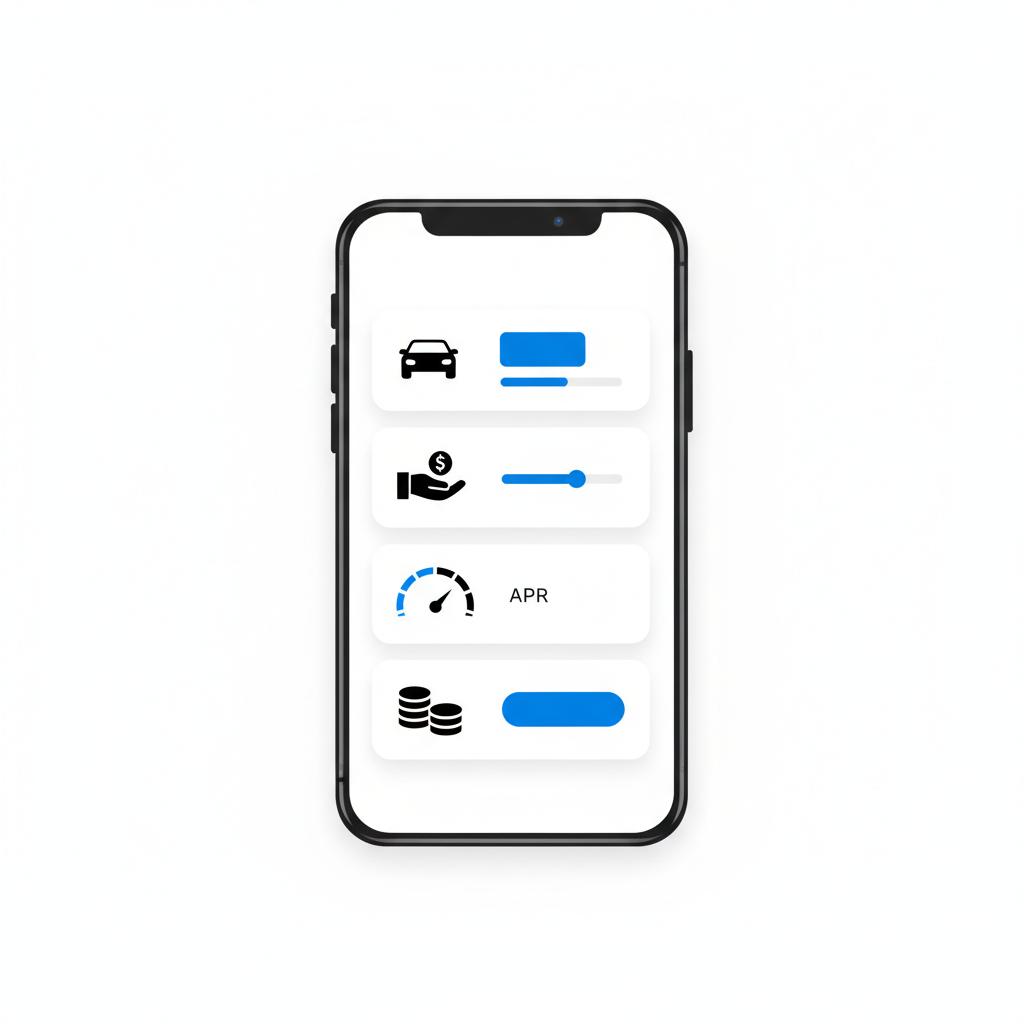
Use a loan-payment calculator with inputs for price, down payment, APR, and term to convert your monthly target into a target listing price. Start with conservative APRs if you are not prequalified; once you have prequalification, update the APR field and re-run the scenarios to narrow your search.
What $150/month typically buys you: vehicles and price ranges to search for
Common vehicle types that fall into lower monthly budgets
At a $150 monthly goal many buyers focus on compact sedans, older small SUVs, and higher-mileage late-model cars because these categories often have lower listing prices and lower insurance costs. Local availability varies, so use pricing context for your market when deciding which segments to prioritize Experian state of automotive finance.
Why older model years or higher-mileage cars are more likely fits
Because average loan sizes and payments have risen, buyers reaching for low monthly payments more often target older model years or cars with more miles rather than recent low-mileage examples. That makes vehicle history and service documentation especially important when price is the primary selection factor.
How down payment and term change the target listing price
A larger down payment lowers how much you must finance and can move a car into the $150 monthly range without extending the term. Conversely, stretching the term lowers the monthly payment but raises the total interest paid and may increase exposure to vehicle repair costs later.
Estimate your target price with a payment calculator
Before you contact sellers, run a payment calculator with your likely APR and term to set a realistic target price and down payment goal.
Financing pathways: banks, credit unions, indirect dealer loans, and buy-here-pay-here
Different lender types offer different APRs and tradeoffs. Banks and credit unions often provide lower rates for similar credit profiles, while dealer channels may bundle fees or offer indirect financing that varies by dealer. For a clearer view of options, getting prequalified through a bank or credit union is commonly recommended CFPB consumer tools.
How each lender type typically prices loans
Banks and credit unions typically have more transparent rate schedules and can be competitive for borrowers with established credit. Dealers may offer convenience through indirect financing but the effective cost can be higher if markup and fees are included in the contract.
Where buyers with limited credit options can look
Buyers with limited credit sometimes find approvals at buy-here-pay-here lots, or through specially underwritten dealer programs, but those channels often come with higher effective interest and different contract terms. Compare any dealer offer to a prequalification from a credit union or bank before committing. For national BHPH listings, some buyers reference chains such as America's Car-Mart when researching local options.
The role of prequalification and shop-around
Getting prequalified gives you a realistic APR and term range to use in your payment calculator and narrows the realistic price you can finance at $150 per month. Use prequalification quotes to compare against dealer offers so you can see whether a dealer rate is competitive.
Buy-here-pay-here (BHPH) explained: risks, checks, and when it can make sense
Buy-here-pay-here means the dealer provides in-house financing rather than acting only as an intermediary for a bank. BHPH can help buyers with poor credit obtain a car, but regulator guidance warns these arrangements often carry higher effective costs and consumer risks, so verification is essential CFPB supervisory highlights.
How BHPH differs from standard auto loans
BHPH lenders often set terms, schedules, and repossession policies differently than traditional lenders; payments may be weekly or biweekly, and the contract language and title handling can differ from a bank loan.
Key disclosure and title checks to request
Before accepting a BHPH offer, request written details on title status, the payment schedule, and repossession terms, and always run a vehicle history report to check ownership and accident history. The Federal Trade Commission recommends comparing financing and confirming disclosures when considering any dealer financing FTC used car buying guidance.
Questions to ask before accepting a BHPH deal
Ask for the total financed amount, the effective APR or full payment schedule, the title transfer timeline, and whether any add-on fees are financed. If the BHPH path is the only route to a car for your situation, document everything and compare the total cost to alternatives.
buy here pay here auto near me
When searching locally, use the same verification steps you would for any dealer and treat in-house financing as higher risk unless the terms are fully documented and you have compared prequalification offers.

Prequalification, credit strategies, and what realistic APRs mean for your search
Prequalification gives a clearer APR and term range and often yields better visibility than accepting an unverified dealer offer. Many consumers find that credit unions or local banks give the most transparent prequalification paths for used-car loans CFPB consumer tools.
How to get prequalified and why it matters
Apply for prequalification with a bank or credit union online or by phone. Use the prequalified APR and term to calculate a target financed amount and then search listings that match that price.
Small credit improvements that change APR bands
Small steps such as ensuring on-time payments on existing accounts or reducing credit utilization can move borrowers into better APR bands over time. Even modest improvements may change which listings fit a $150 monthly goal.
When extending term is a realistic option and its tradeoffs
Extending the term lowers the monthly payment and can bring a better-maintained recent model into your budget, but regulators note that longer terms increase total interest and can raise default risk for subprime borrowers, so use term extension cautiously CFPB supervisory highlights.
Using vehicle history reports and listing filters to lower downstream cost and risk
Run a vehicle history report for any listing you seriously consider and use listing filters to prioritize clean title, single owner, no accident reported, and well maintained options. The FTC recommends these checks to compare vehicles and finance safely FTC used car buying guidance.
What to look for in a vehicle history report
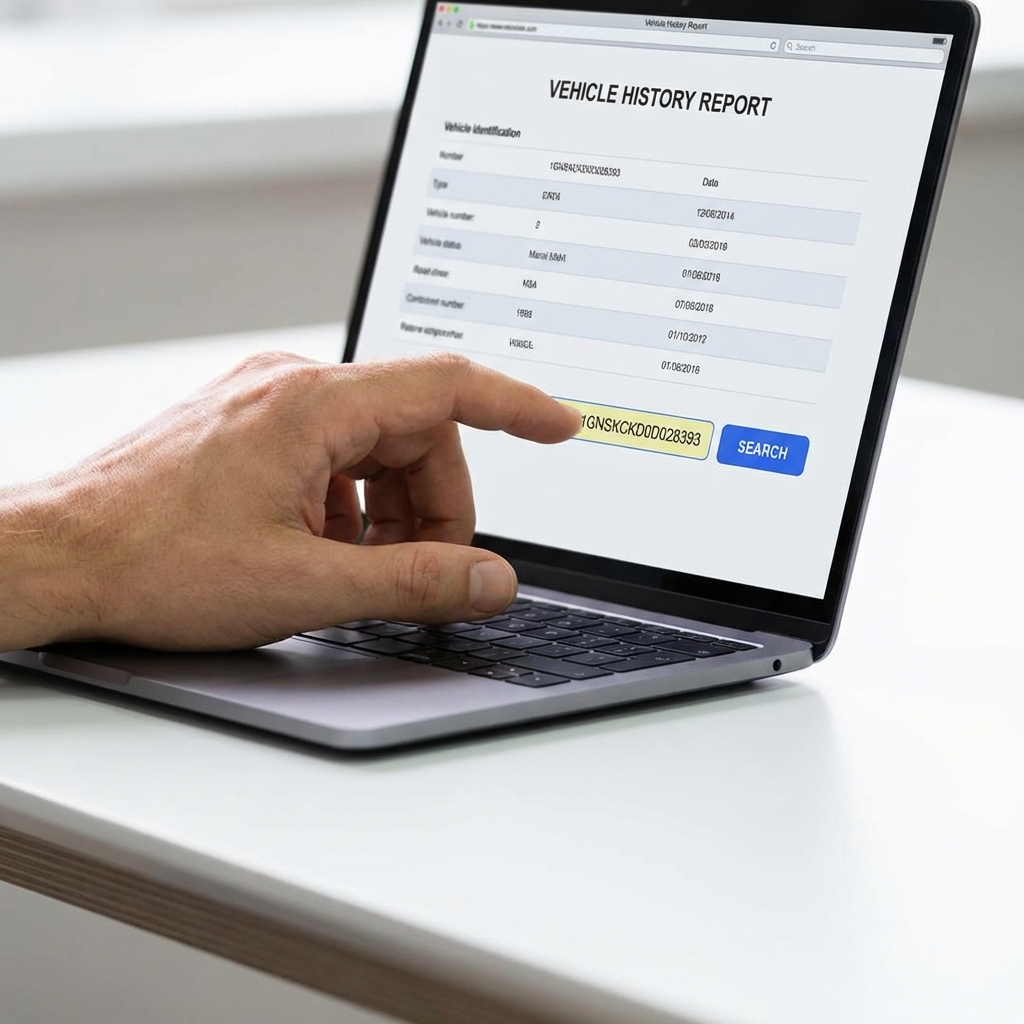
Key items include ownership history, accident history, service history, mileage checks, and title status. Confirm that the report matches the seller's disclosure and ask for documentation when something is unclear.
How to use filters: clean title, single owner, no accident reported, well maintained
Apply filters on listing sites to narrow to vehicles with documented history and service records; prioritizing those listings tends to reduce the risk of surprise repair costs that can push monthly ownership costs well above your payment. Use the vehicle history report link on the listing or ask the seller for a VIN and run the report before test driving.
How history context affects financing and resale prospects
Vehicles with documented service history and a clean title may be easier to finance with lower-rate lenders and often hold value better on resale, which matters when you compare total cost of ownership across financing options.
estimate monthly payment from price, down payment, APR, and term
use prequalified APR for accuracy
Loan-term tradeoffs: lower payment vs higher total cost and risk
Longer loan terms reduce monthly payments but increase total interest paid and can raise default risk, especially for borrowers in higher APR bands. Supervisory and Fed reports highlight these tradeoffs and recommend caution when using very long terms to hit a monthly goal CFPB supervisory highlights.
How term length changes monthly payment and total interest
Qualitatively, each additional year reduces the monthly payment but increases the total interest accrued; that extra interest can outweigh the cash-flow benefit if you plan to keep the car long term.
Regulatory findings about term length and default risk
Regulatory summaries show that longer terms are correlated with higher default rates for some borrower segments, so using term as the sole solution to reach a $150 payment requires weighing the increased total cost.
How to pick a term that balances monthly budget and long-term cost
Start with a term that keeps your monthly payment affordable while limiting total interest. If you extend term, plan for a replacement fund for repairs and consider refinancing later if your credit improves.
Paperwork, disclosures, and decision criteria before signing
Get all material terms in writing: the contract, payment schedule, title transfer documents, and any express or implied warranties. The FTC advises buyers to document these items and compare offers closely before making a down payment FTC used car buying guidance.
Documents to get in writing
Request the full contract, an itemized payment schedule, proof of title transfer or title status, and any documented service records promised by the seller.
Key clauses to review: APR, term, fees, repossession terms, title transfer
Check for late fees, prepayment penalties, and repossession language. Confirm the APR and the total financed amount and whether any dealer fees are financed into the loan balance.
A short decision checklist
Compare offers side by side: total cost, APR, term, down payment, title timing, and documented vehicle history. If an offer requires accepting undisclosed fees to hit the monthly number, walk away and get written clarifications.
Common mistakes and red flags that push costs above $150/month
Avoid accepting a higher APR or hidden fees simply to hit a monthly target; that often increases the total cost and can lead to repossession or negative equity later. Always compare the total financed amount and payment schedule across offers Experian state of automotive finance. For additional perspective on the risks and high rates sometimes charged by small lots, see analysis at Grote Auto Rockford.
Pricing and financing traps to avoid
Watch for add-on fees rolled into the financed amount, unclear title status, and rate markups when dealers arrange financing. These can make a monthly payment appear affordable while increasing long-term cost.
Risks specific to BHPH and 'too-good-to-be-true' listings
BHPH arrangements sometimes have weekly payment schedules or strict repossession clauses. Treat unusually low down payments or vague title timing as a red flag and request documentation.
Simple verification steps to avoid surprises
Run the vehicle history report, confirm title status in writing, get a written payment schedule, and compare a prequalified loan offer to any dealer contract before a down payment.
Practical scenarios: three buyer profiles and how to find matches near you
These short profiles show how routes differ by credit and cash. Each profile highlights likely channels, vehicle priorities, and the checks to run so you can find listings near you that suit a $150 monthly target CFPB consumer tools.
Profile A: lowest credit score, tight monthly budget
Channels: BHPH and local specialty lenders. Vehicle priorities: older model years with documented service records. Key checks: vehicle history report, title status, and a written payment schedule. Use caution and compare any BHPH total cost to a prequalification quote.
Profile B: moderate credit, small down payment
Channels: credit union or bank prequalification, indirect dealer financing. Vehicle priorities: mid-age vehicles with better service history. Key checks: prequalify to get an APR band, then filter listings by clean title and single owner.
Profile C: better credit, minimal monthly payment goal
Channels: bank or credit union loans with competitive APRs. Vehicle priorities: more recent models with lower mileage. Key checks: run a vehicle history report and use a payment calculator to confirm the price fits the $150 monthly target.
Local search checklist and next steps to reach a realistic $150/month car
Set a target financed amount using your prequalified APR and term, then filter local listings by clean title, single owner, no accident reported, and documented service history. Use a payment calculator to confirm each listing before contacting the seller Kelley Blue Book used car pricing.
How to filter listings effectively
Apply filters for title status and ownership, then prioritize listings with service records. Use the vehicle history report link on the listing or ask the seller for a VIN and run the report before test-driving.
Using prequalification with local dealers and credit unions
Bring prequalification letters when you visit dealers so you can compare any dealer financing offers on the spot. This helps prevent accepting a higher dealer APR without realizing it.
A step-by-step next-actions checklist
1) Run a payment calculation with prequalified APR and term. 2) Filter listings by title and history. 3) Request a VIN and run a vehicle history report before test-driving. 4) Get final financing terms in writing before a down payment.
Wrap-up: realistic expectations and a short checklist to take with you
To hit about $150 a month, focus on the four levers: price, APR, term, and down payment. Use prequalification to narrow realistic APR bands, prioritize listings with good documented history, and treat buy-here-pay-here offers as higher cost and higher risk unless fully documented CFPB consumer tools.
Summary of key tradeoffs
Lowering price or increasing down payment reduces monthly cost without adding borrower risk. Lengthening term reduces the monthly payment but raises total interest and default exposure. BHPH can expand access but often at a higher effective cost.
Final quick checklist to decide whether to buy
Confirm prequalified APR and term, run a vehicle history report, verify title status in writing, compare total financed cost across offers, and avoid undisclosed fees. If these checks are satisfied and local inventory matches your price target, proceed with caution and documentation.
Possibly, but approval depends on the price you can finance, the APR offered, and the term; buy-here-pay-here dealers may approve lower credit scores but often at higher effective cost, so always compare to a prequalification quote and verify title and history.
Get prequalified to estimate your APR and term, then use a payment calculator to convert your monthly target into a maximum financed amount and filter local listings by price and title status.
No, longer terms lower monthly payments but increase total interest and can raise default risk; treat term extension as a tradeoff and plan for repair and replacement costs.
References
- https://www.consumerfinance.gov/consumer-tools/auto-loans/
- https://www.experian.com/automotive/state-of-the-automotive-finance-2024.html
- https://www.consumerfinance.gov/policy-compliance/supervisory-highlights/2024-11-auto-finance/
- https://carfaxdeals.com/vinreport
- https://carfaxdeals.com/run-report
- https://carfaxdeals.com/how-to-use
- https://www.car-mart.com/
- https://www.carhop.com/
- https://www.consumer.ftc.gov/articles/0055-used-car-buying
- https://groteautorockford.com/auto-financing/better-than-buy-here-pay-here
- https://www.kbb.com/car-values/used-car-prices/